How to Plan Your Visit to the Hatta Region for the Best Experience
Understanding the Terrain and What to Expect
Hatta, a mountainous enclave east of Dubai, offers a landscape that is quite different from the city's coast. The area is defined by the Hajar Mountains, ancient rock formations, and wadis that hold water after rain. Before you set out, it helps to know that the region is not a single attraction but a collection of sites spread over a few kilometres. The climate is also distinct: summers can be very hot, while winter months, from November to March, bring cooler temperatures that make outdoor activity comfortable. If you plan around the weather, you will get far more out of the trip.
The key to a good visit is choosing what you want to do first. Do you want to paddle on the reservoir, walk through a restored mountain village, or ride a bike on purpose-built trails? Each option has its own best time of day and preparation needs. The place known as hatta mountain dubai is really a region, not a single peak, so your itinerary should reflect the specific places you intend to see.
Step 1: Choose Your Main Activity
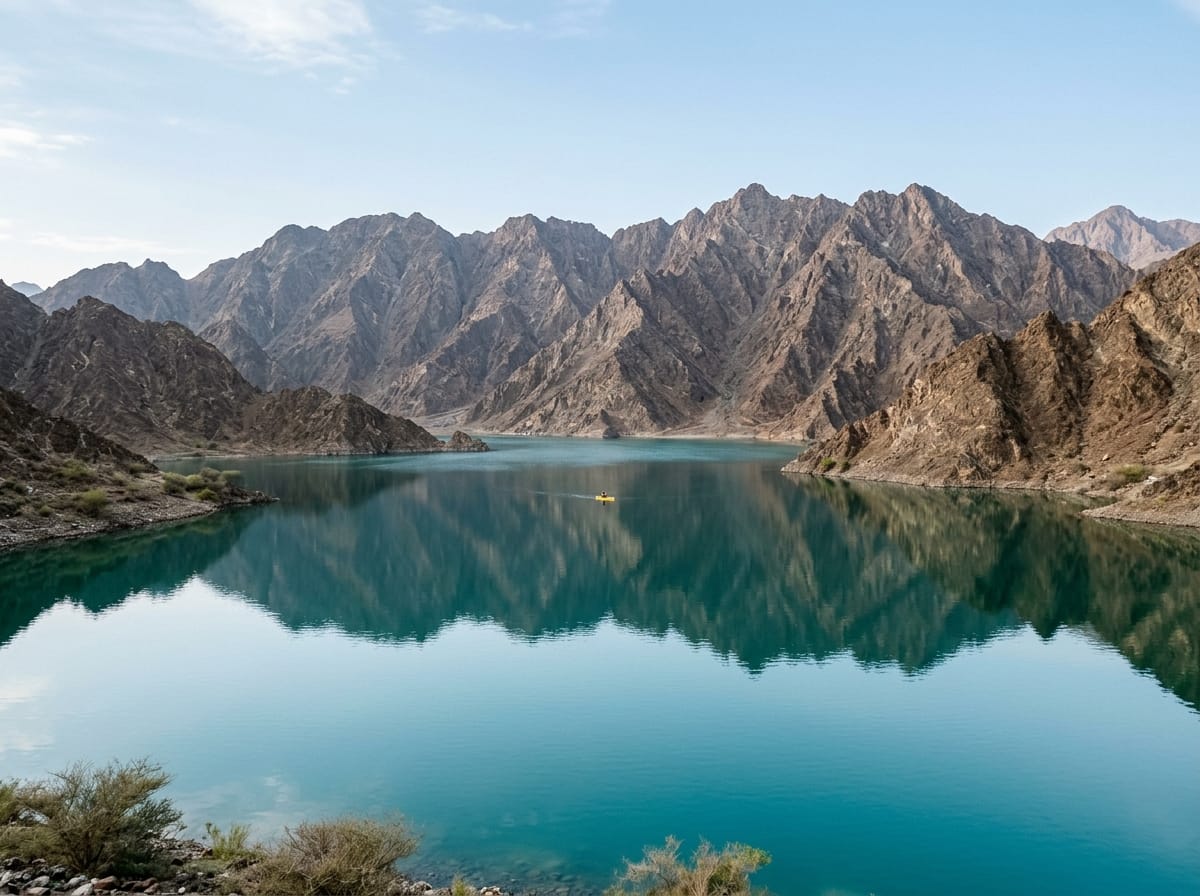
Hatta's appeal lies in its variety of things to do. The most popular draw is Hatta Dam, where the turquoise water sits against a backdrop of jagged brown mountains. You can rent a kayak and paddle across the reservoir, which gives you a perspective you do not get from the shore. If you prefer land-based activity, the Hatta Mountain Bike Trail is a well-maintained track that suits riders from intermediate to advanced. Beginners may find the terrain challenging, but sections of the trail are manageable with a good fitness level.
For a quieter experience, Hatta Heritage Village shows what life was like in this area before modern times. The village consists of restored stone houses, watchtowers, and a fort. It is a compact site that you can see in an hour or two. Another option is Hatta Hill Park, which has picnic areas and a play zone, making it a good choice if you are travelling with children. Decide what kind of day you want, and let that choice shape the rest of your plan.
Step 2: Check Access and Timing
Most of Hatta's sites are open from morning until late afternoon or early evening, but hours vary. Hatta Dam, for example, is accessible during daylight, and kayak rentals operate on a schedule that may change with the season. Hatta Wadi Hub, the central point for activities like mountain biking and zorbing, has its own operating window. It is wise to check the official pages for each site before you go, as timings can shift during holidays or for maintenance.
Arriving early has two benefits: the light is better for photography, and the sites are less crowded. By mid-morning, the parking areas near the dam and the heritage village fill up. If you arrive after 10 am on a weekend, you may have to park farther away and walk. The early start also gives you the chance to see the rock pools in the wadi before the sun gets too high. Those pools are natural depressions in the rock that collect rainwater, and they are best visited when the water is still and the air is cool.
Step 3: Plan Your Route Between Sites
The distances between Hatta Dam, Hatta Heritage Village, and Hatta Hill Park are short, but the roads are winding and sometimes narrow. A car is essential if you want to cover more than one site. There is no public transport that links the attractions directly. If you are driving from Dubai, the journey takes about 90 minutes each way, so factor that into your day. Once you are inside the Hatta area, you can move between the dam and the heritage village in about ten minutes by car.
If you are using a navigation app, set it to avoid toll roads unless you have a Salik tag. The route via the Dubai-Hatta Road (E44) is direct and scenic, with mountain views appearing as you leave the city behind. Watch for the turn-off signs to Hatta Fort and the heritage village; they are clearly marked but easy to miss if you are driving fast. A good sequence is to start at Hatta Dam for the morning light, then head to the heritage village before lunch, and finish at Hatta Hill Park for a picnic or a rest.
Step 4: Prepare for the Weather and Terrain
The mountains can be hot even in winter, especially in the middle of the day. Sun protection is necessary: a hat, sunglasses, and sunscreen. The ground is uneven in many places. The path around the dam is paved in parts, but the trails near the rock pools and the heritage village involve walking on gravel and stone. Sturdy shoes with good grip are a must. Sandals or flip-flops will be uncomfortable and unsafe on the rocky sections.
Water is the other essential. There are cafes and small shops at Hatta Wadi Hub and near the dam, but they may not be open on weekdays or outside peak hours. Carry at least one litre of water per person for a half-day visit, more if you plan to hike or bike. Also bring snacks, because restaurant options in the area are limited and can have long queues during busy weekends. A small backpack with water, sunscreen, and a light jacket for the cooler morning wind is a practical choice.
Step 5: Understand the Terrain for Hiking and Biking
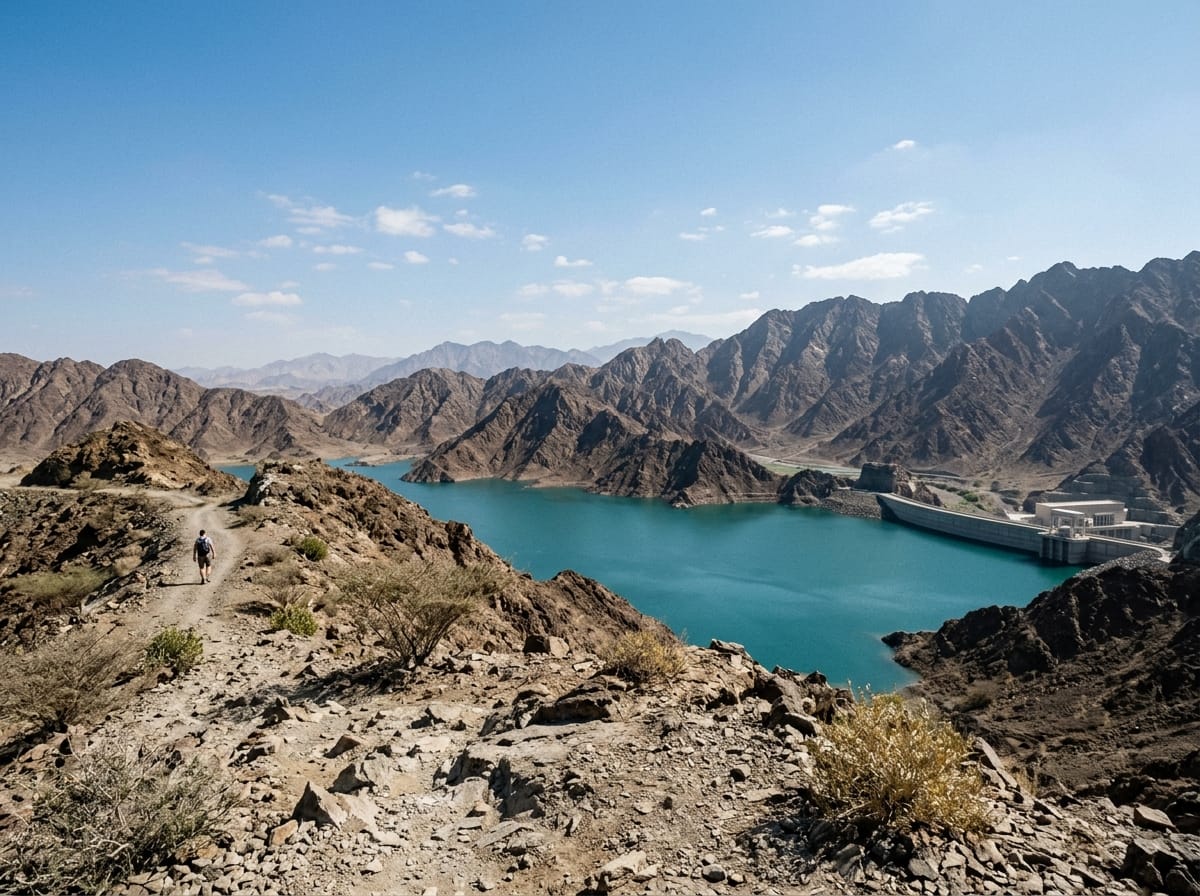
If your plan includes walking on the trails, know that the Hatta Mountain Bike Trail is not a flat loop. It climbs and descends over rocky ground, and some sections require technical skill. If you are renting a bike, the staff at Hatta Wadi Hub can advise on which loop matches your ability. For hikers, there are marked paths that lead to viewpoints overlooking the dam and the surrounding peaks. The trails are not long, but the elevation gain can make them feel harder than the distance suggests.
Watch for loose stones on the descents. A light hiking pole can help with balance, but it is not required. The main thing is to go at a pace that lets you enjoy the views rather than rushing. The landscape here is dramatic, with layers of brown and grey rock that change colour as the sun moves. Taking a break to sit and look is part of the experience.
Step 6: Respect the Environment and the Rules
Hatta is a protected area in many respects. Swimming is not allowed in Hatta Dam, though kayaking is permitted. The water is a reservoir, and the rules exist to keep it clean. Littering is also prohibited, and there are bins only at the main sites. If you bring food or drink, plan to carry your rubbish out with you if no bin is nearby. The same goes for the rock pools: leave them as you found them so that others can enjoy the clear water.
The heritage village and fort are historic sites. Climbing on the walls or touching the structures is discouraged. These buildings are made of mud brick and stone, and they are fragile. Photography is fine, but keep a respectful distance. The local community takes pride in these places, and visitors who treat them well help preserve them for the future.
Making the Most of a Day Trip
A single day in the Hatta region can feel busy if you try to see everything. It is better to pick two or three activities and do them well than to rush through five. A common combination is a morning kayak at Hatta Dam, followed by a walk through Hatta Heritage Village, and then a late lunch at one of the cafes near the wadi. If you have energy left, a short hike to the viewpoint above the dam is a rewarding way to end the afternoon.
For those who prefer a slower pace, spending the whole morning at the dam and then having a picnic at Hatta Hill Park gives you a relaxed day. The park has shaded areas and barbecue pits, though you need to bring your own supplies. The key is to match your plan to your group's energy and interests. Trying to pack in too much leads to a tired and less enjoyable visit.
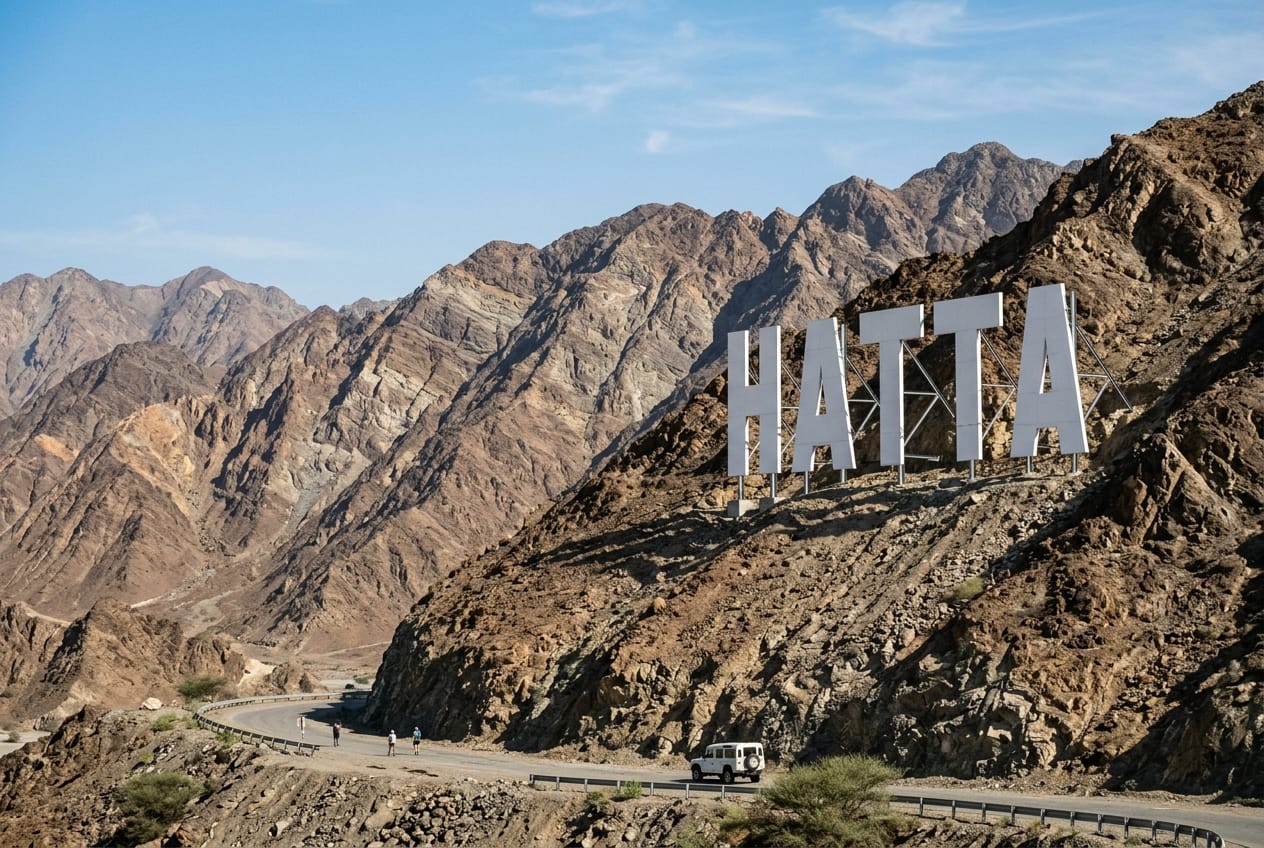
When you think about the region as a whole, the phrase hatta mountain dubai refers to an area that combines natural beauty with cultural heritage. It is not a single attraction but a collection of experiences that depend on the season, the weather, and your own preferences. A well-planned visit takes into account the driving time, the site hours, and the physical demands of the activities you choose. With a bit of preparation, you can see why this part of the UAE draws people back year after year.